The Art of Breathing Well
Published on: Aug 10, 2026
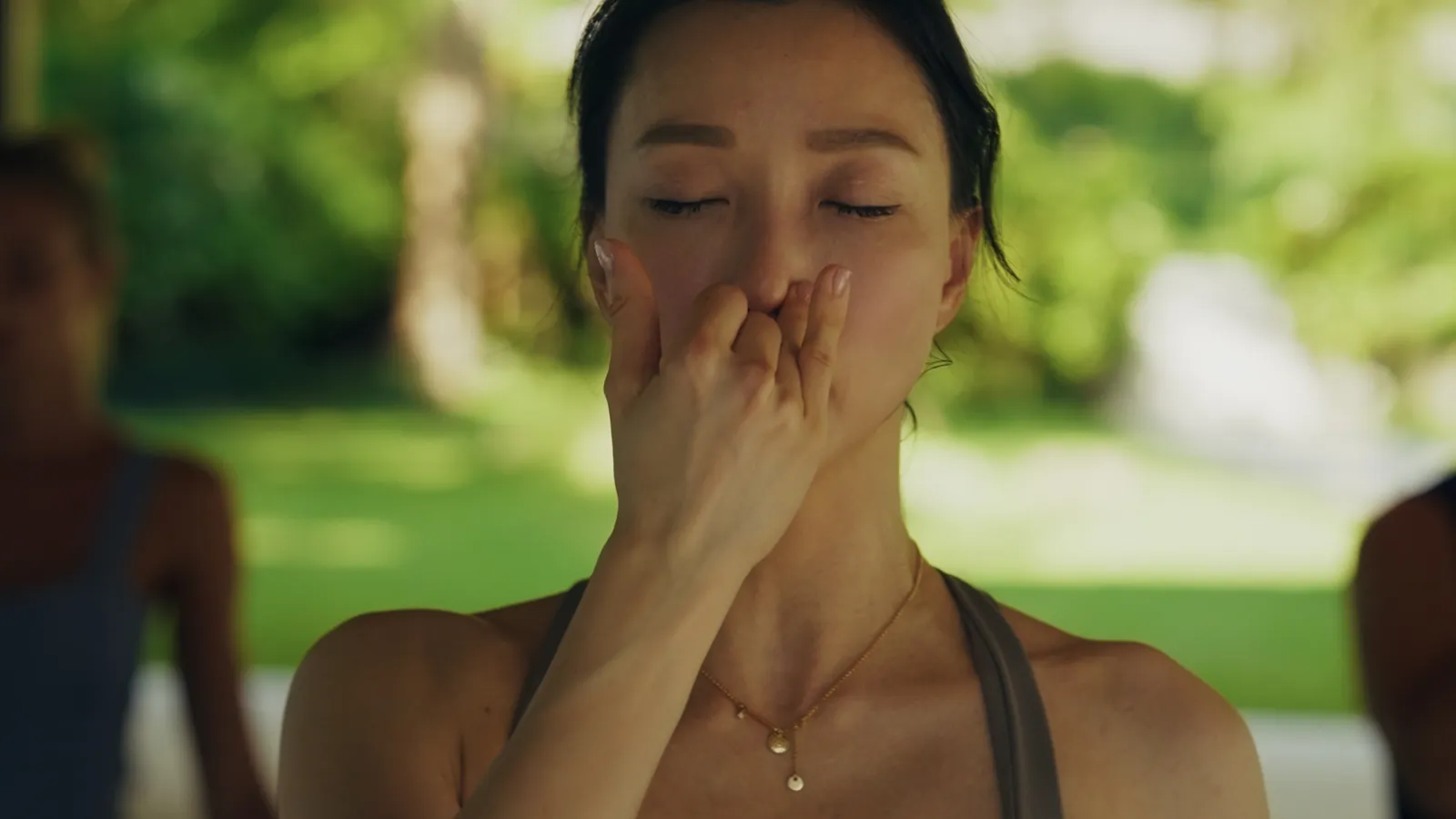
Functional Breathwork and the Science of a Longer, Calmer Life
There is something quietly extraordinary about the breath. It is the one function of the body that operates both automatically and consciously: the one thread you can take hold of at any moment to shift your inner state. Yet most of us have never been taught to breathe well.
Functional breathwork is the practice of retraining your everyday breathing habits to support health, energy, and longevity. Unlike breathwork used to produce dramatic altered states, it concerns itself with something more subtle and more powerful: how you breathe through the ordinary moments of your day.
The Two Languages of Breath
Your autonomic nervous system speaks fluently in breath. Every inhale and every exhale carries a message, and learning to read those messages is the beginning of a lifelong practice.
Sympathetic breathwork (known in yogic tradition as uttejak) uses the breath to gently awaken and energise the nervous system. Forceful inhalations and short, rhythmic exhales prompt the brain to release a measured dose of cortisol and adrenaline, offering a natural, sustainable source of clarity and readiness. This is the breath of activation.
Parasympathetic breathwork (shamvat) does the opposite with equal precision. By slowing the breath and extending each exhalation, you stimulate the vagus nerve, the primary conductor of the body’s rest-and-digest response. Heart rate softens. Blood pressure eases. Cortisol recedes. This is the breath of restoration.
The Three Foundations
Whichever practice you choose, three physical principles underpin all functional breathing. Breathe through your nose: nasal breathing filters, warms, and humidifies incoming air while meaningfully increasing oxygen uptake. Breathe from your diaphragm: when the belly leads the breath rather than the chest, the lungs expand more fully and the breath becomes inherently more efficient. And match your pacing to your intention: brisk and purposeful for sympathetic activation, slow and unhurried for parasympathetic restoration.
The Science of Longevity Through Breath
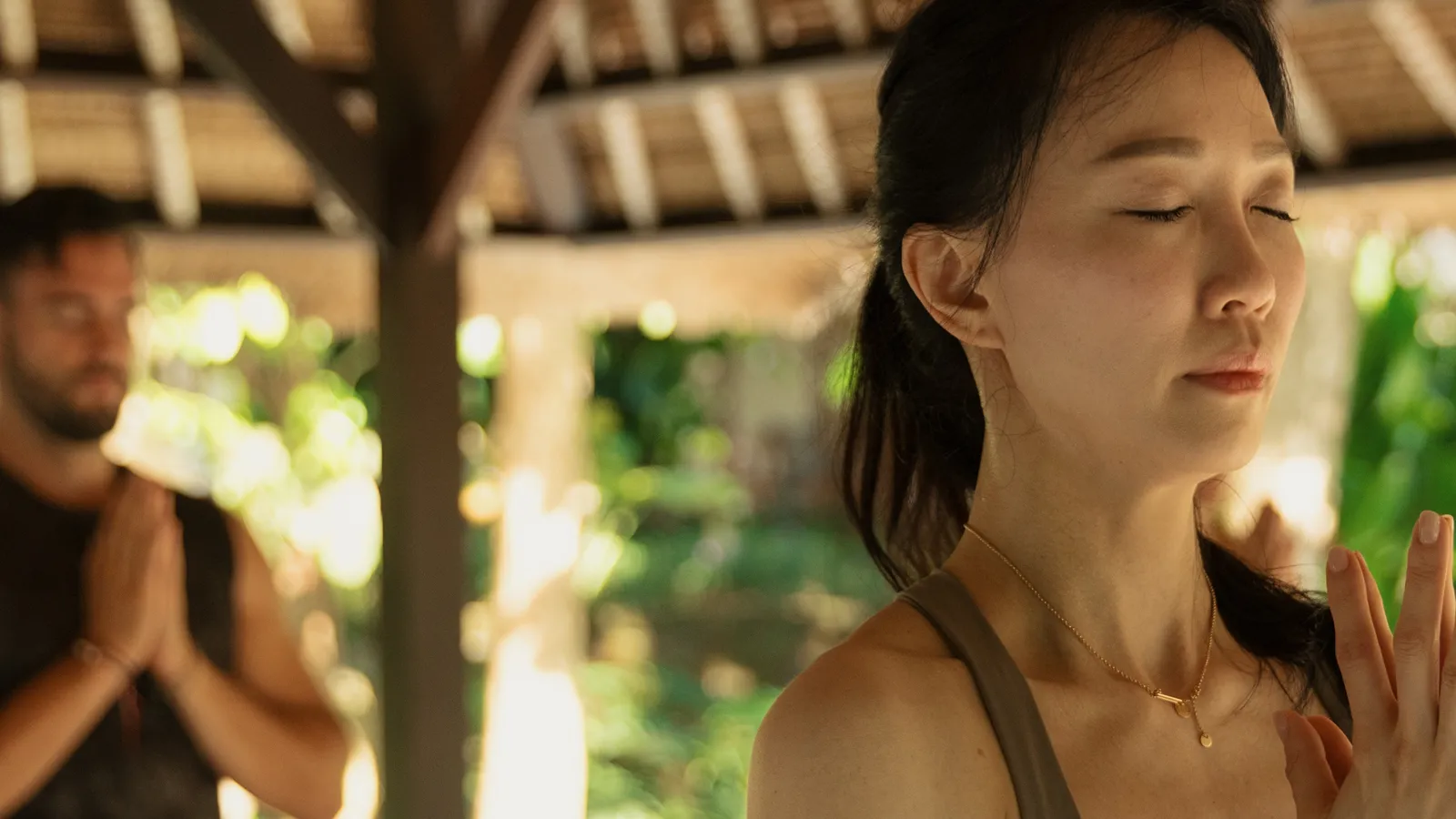
The connection between breathwork and longevity is grounded in three well-studied physiological pathways. Extended exhalations directly stimulate the vagus nerve, the body’s primary regulator of nervous system balance. Slow, coherent breathing increases heart rate variability (HRV), a key biomarker of stress resilience and cardiovascular health, that naturally declines with age but can be meaningfully trained. Furthermore, sustained breathwork shifts brain activity from alert Beta states toward restorative Alpha and Theta waves. This shift triggers a parasympathetic cascade that lowers systemic inflammation, creating the optimal physiological environment for cellular repair and emotional integration. Chronic stress remains one of the most significant accelerants of biological aging; breathwork, practiced with consistency and intention, is one of the most accessible and evidence-backed antidotes available. Breathwork creates the optimal physiological environment for cellular repair and when used alongside a broader lifestyle framework of sleep, exercise, and nutrition can be an incredibly powerful tool.
Practices to Begin Today
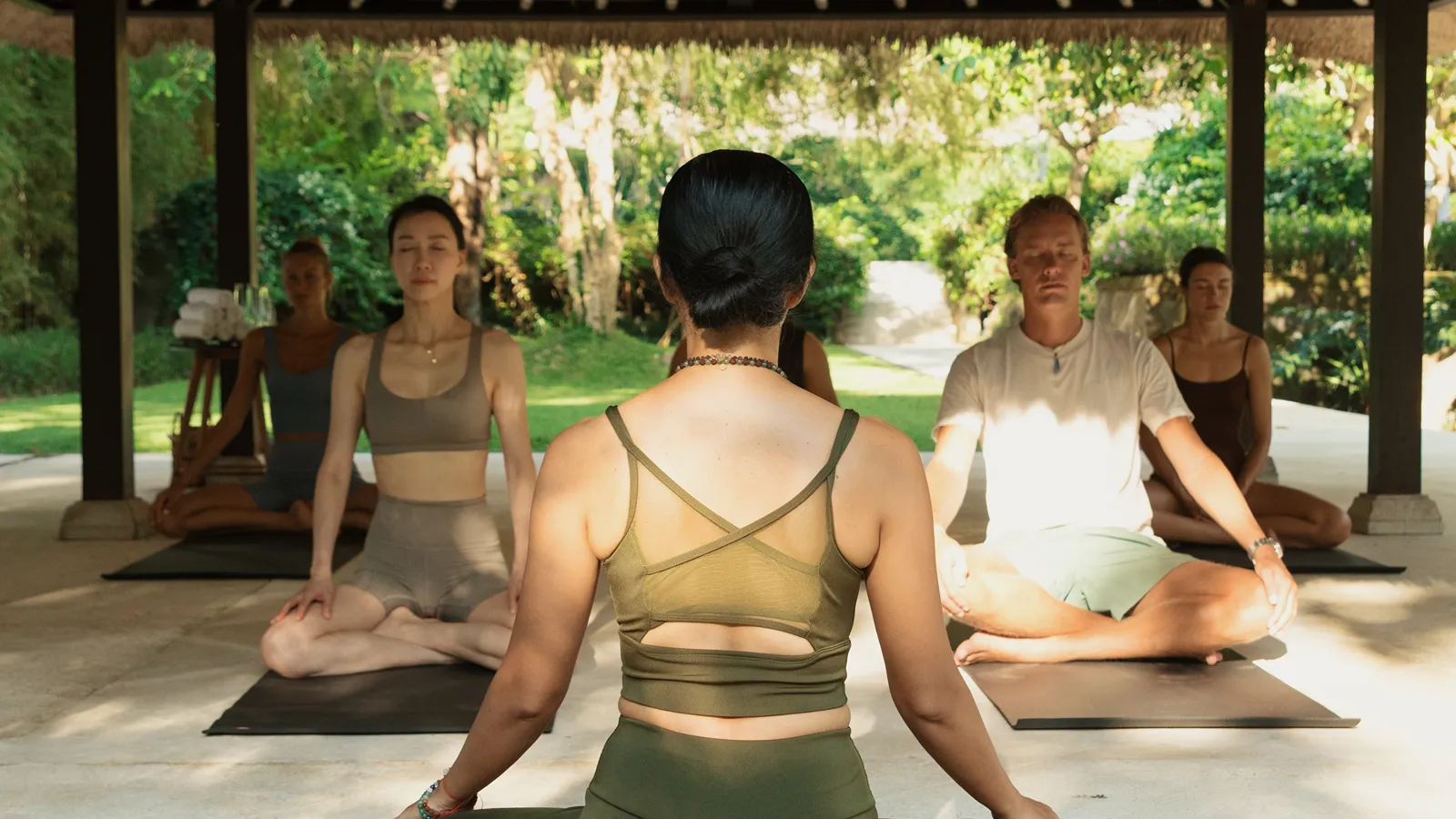
For sympathetic activation, two classical pranayama techniques offer a clean, natural source of energy. Bastrika pranayama (strong, rhythmic inhales and exhales through the nostrils, 20 to 30 rounds) and Kapalabhati (forceful exhales through the nostrils, 20 to 30 rounds) both create alertness and clarity without the cortisol spike of caffeine.
For parasympathetic restoration, three practices stand above the rest. The 4-7-8 method (inhale for 4 counts, hold for 7, exhale for 8, repeated 10 times) is among the most effective tools for rapid nervous system deactivation. Box breathing (4 counts in, 4 hold, 4 out, 4 hold) builds steadiness and focus. Coherent breathing (equal 5-count inhales and exhales at roughly 6 breaths per minute) is gentle enough for daily practice and powerfully effective at raising HRV over time.
Each technique requires only a few minutes and nothing more than the breath itself, making self-directed nervous system regulation accessible anytime, anywhere.
Deepening the Practice: The Rebalance Impulse
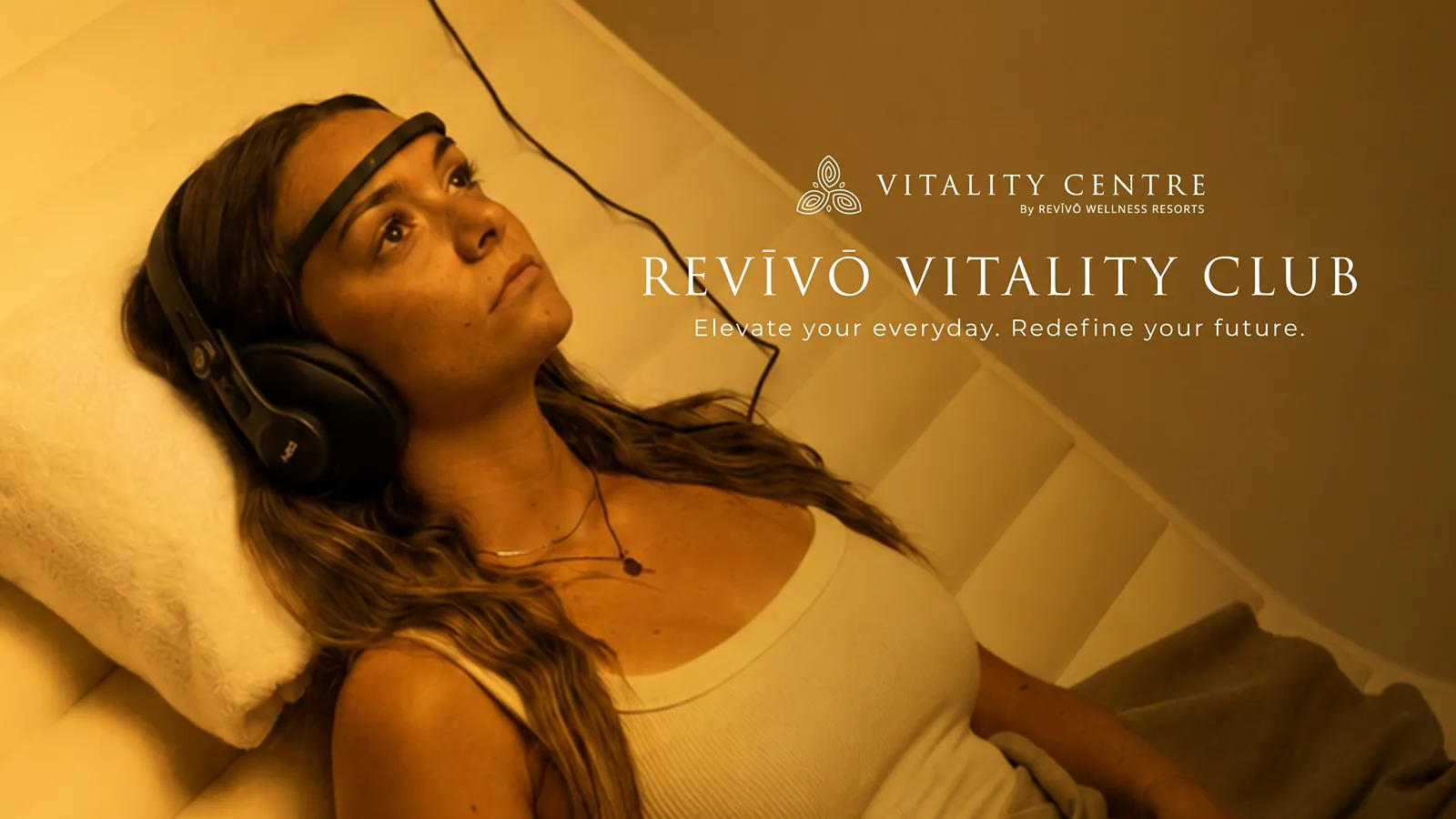
For guests who wish to extend the benefits of breathwork into a fully immersive experience, our Vitality Centre offers the Rebalance Impulse: a touchless neuro-relaxation technology developed from the applied neuroscience of synchromotherapy. Resting in a zero-gravity lounger, you are enveloped in precisely choreographed sequences of pulsed light, chromotherapy, and binaural sound, each calibrated through real-time biofeedback and synchronised with your own breathing rhythm. A single 30-minute session deepens the shift into Alpha and Theta brain states that breathwork invites, while supporting cognitive recovery, emotional balance, and sleep quality. Used alongside a regular breathwork practice, it offers a beautifully complementary pathway into the parasympathetic restoration that longevity science consistently identifies as essential. Our wellness consultants would be delighted to design a bespoke protocol combining both as part of your transformational journey at REVIVO.
“The breath is the one thread you can take hold of at any moment. Learning to use it well may be the simplest longevity practice available to us.”
With warmth,
Sofia
Wellness Practitioner
REVĪVŌ Wellness Resorts, Bali